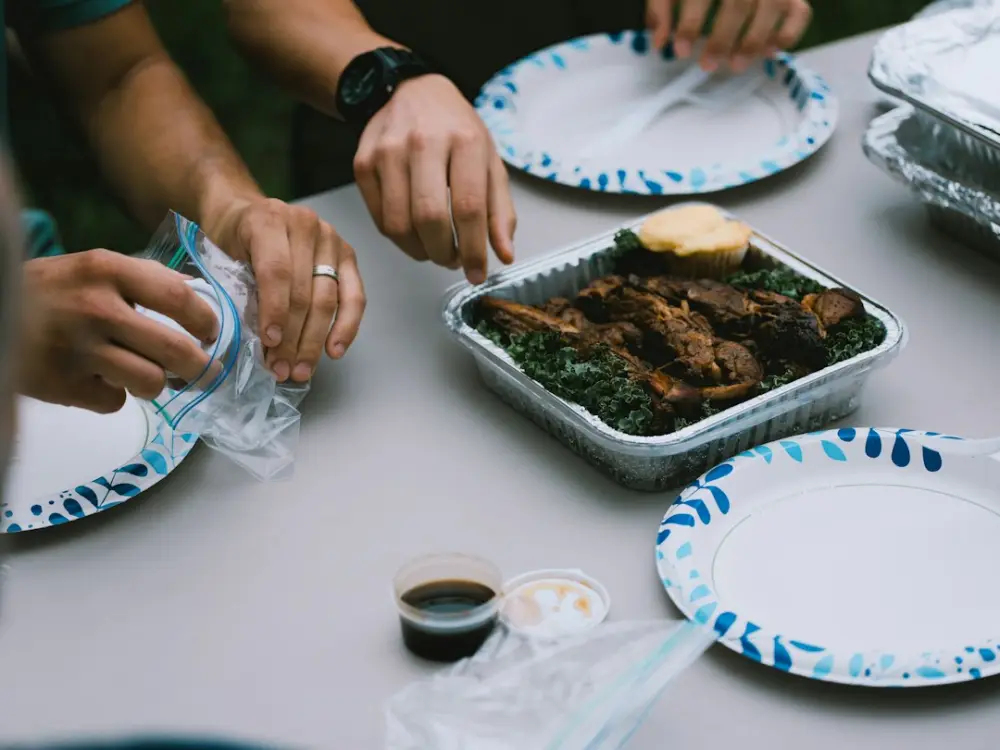
5 System Design Strategies for Teen Nutritional Planning
Adolescent growth cycles demand a caloric and micronutrient intake that often outpaces the logistical capacity of a standard household kitchen. During these…

Food Systems Intelligence
We provide supply chain professionals with the data and coordination frameworks needed to build stable, long-term distribution networks.
Resilient food systems begin with structured planning and informed design. Explore how food supply networks can be strengthened through coordination, foresight and long-term systems thinking.
Explore Insights
A Systems Perspective
Modern food systems operate as interconnected networks rather than isolated activities. Production, processing, distribution, and consumption must function in alignment to maintain stability.
Planning that accounts for these connections helps communities reduce vulnerability and improve long-term food availability.
Core Planning Principles
Building Resilience Into Food Supply Chains
Resilience is not reactive; it is designed. Supply chain disruptions, resource constraints, and environmental variability require proactive planning.
Stable food access is an infrastructure choice, not a seasonal accident.
Start a Conversation
Complex food systems require clarity, coordination, and long-term planning. Reach out to discuss frameworks that improve performance and reduce vulnerability.
Contact UsInsights
Adolescent growth cycles demand a caloric and micronutrient intake that often outpaces the logistical capacity of a standard household kitchen. During these…
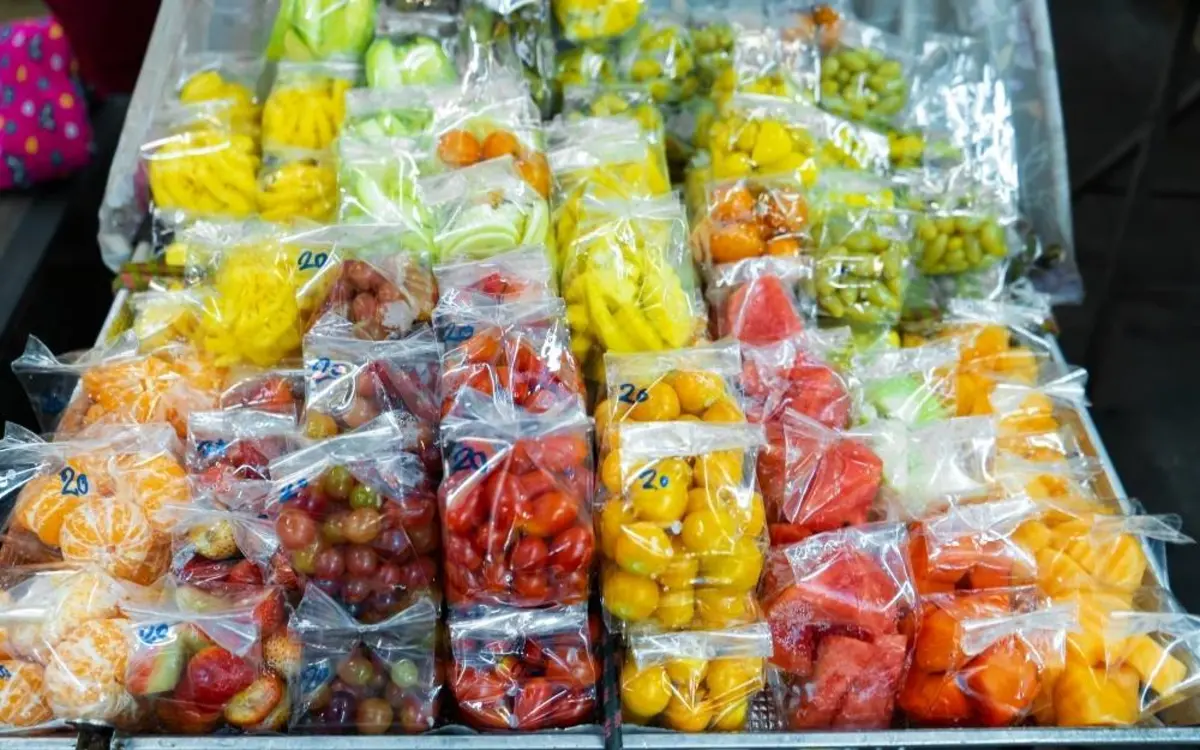
Food systems do not fail all at once. They weaken gradually—through fragile logistics, over-centralization, and an inability to absorb disruption. Supply…
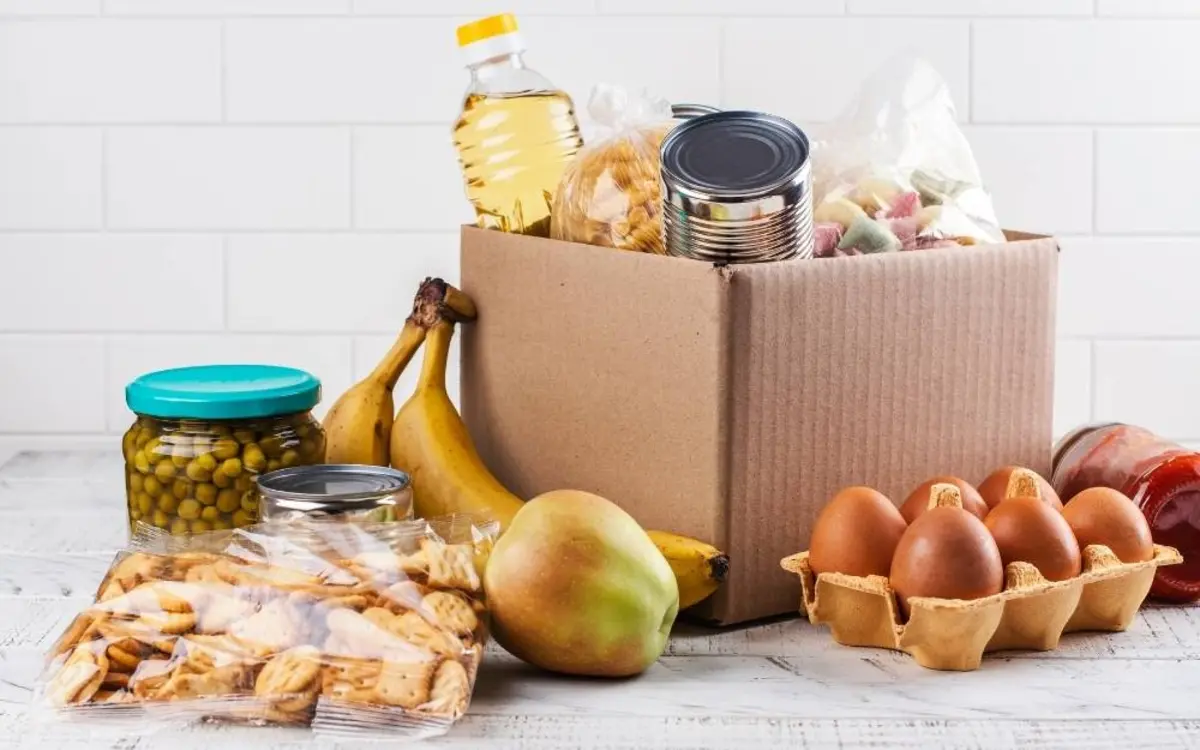
Modern food supply chains are under strain not because they lack effort, but because they lack structure. Complexity has increased faster than planning…
Frequently Asked Questions
It is the coordinated design of production, processing, distribution, and consumption networks so food remains available and stable under stress.
Disruptions are inevitable. Designed resilience keeps supply chains functional when conditions change.
Planners, researchers, operators, and readers interested in strengthening food supply networks through structure and foresight.
Use the contact form to send a message.