
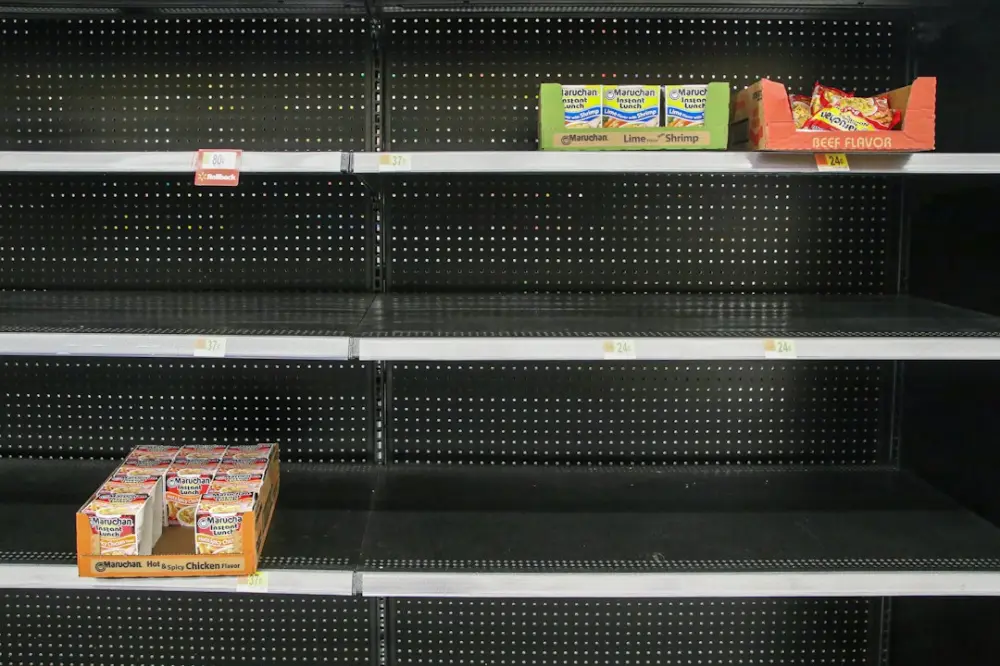
Food availability constraints are factors that limit the physical presence of sufficient food quantities within a specific region. Unlike food access, which focuses on affordability, availability constraints stem from production failures, supply chain disruptions, environmental degradation, and geopolitical instability, preventing a consistent supply of nutritious food from reaching local markets or populations.
To address these constraints, planners must distinguish between a temporary shortage and a systemic failure. Identifying where the flow of commodities stops—whether at a shuttered processing plant or a blocked shipping lane—allows for targeted intervention. This foresight is essential for building a network that maintains steady inventory levels despite external shocks.
Availability is the first pillar of food security. If the food is not physically present in a region, issues of price and preference become secondary. For example, a rural community may find its local grocers unable to stock fresh produce because the regional distribution hub has prioritized larger metropolitan contracts. In this scenario, the constraint is not the consumer's ability to pay, but the physical absence of the product due to logistical prioritization. Understanding how supply chain resilience protects long-term food availability is the first step in diagnosing these systemic gaps.
Frameworks for Measuring Supply Constraints
Measuring availability requires more than a simple tally of calories produced. Effective frameworks look at the entire lifecycle of a food product, from seed to shelf. Planners often use the Integrated Food Security Phase Classification (IPC) to categorize the severity of supply issues, but at a regional level, more granular data is required. This involves tracking inventory turnover rates at local warehouses and monitoring the "fill rate" of retail orders.
A concrete example of a measurement framework is the use of localized "stress tests" on food hubs. By simulating a 20% reduction in inbound freight, planners can identify which specific products—such as dairy or leafy greens—disappear from shelves first. These metrics help identify key challenges in modern food supply, allowing for the creation of contingency reserves. Without these frameworks, responses remain reactive, often leading to panic buying that further exacerbates the initial constraint.
Impact of Geopolitics and Governance
Governance plays a decisive role in whether food reaches its destination. Policies regarding land use, labor, and international trade can either facilitate or obstruct food flow. When a government implements an export ban on a staple crop to stabilize domestic prices, it creates an immediate availability constraint for neighboring regions that rely on those imports. This is a common occurrence in global markets for wheat, rice, and palm oil.
Consider the impact of regulatory shifts on labor availability. If seasonal worker programs are disrupted by changes in visa policy, a harvest may rot in the fields despite a high demand for the crop. This creates a physical shortage that cannot be solved by consumer subsidies. Governance must be viewed as a structural component of the food system, where a single policy change in one sector can trigger a cascade of supply failures in another. Monitoring these shifts is a core task for those involved in coordinated systems planning.
Resource Competition and Climate Pressures
The physical production of food is increasingly threatened by competition for natural resources. Land that was once dedicated to agriculture is frequently diverted for residential development, industrial use, or energy production. When prime topsoil is paved over for a warehouse complex, the regional capacity for food production is permanently diminished. This is a long-term availability constraint that cannot be reversed by technology alone.
Climate pressures further complicate this competition. Shifting weather patterns and extreme events, such as the prolonged droughts seen in the American West, force farmers to compete with urban centers for dwindling water supplies. In many cases, high-value non-food crops or industrial needs win the bidding war for water, leaving food producers with fallow fields. These environmental constraints are not future possibilities; they are current realities that require integrated water and land-use planning to ensure the food system remains viable.
Trade Dependencies and Conflict Risks
Modern food systems are highly specialized and deeply interconnected. While trade allows regions to access products they cannot grow locally, it also introduces significant dependencies. If a region relies on a single international corridor for 80% of its grain, any disruption to that corridor—whether through maritime accidents or armed conflict—creates an immediate crisis. The physical blockage of shipping lanes is one of the most direct constraints on food availability.
The conflict in the Black Sea region serves as a stark example. As a major global exporter of sunflower oil and wheat, the disruption of its ports led to immediate shortages in North Africa and the Middle East. These regions faced a physical lack of supply that necessitated a rapid, and often expensive, reorganization of global trade routes. For regional planners, the lesson is clear: diversification of supply sources is not just a financial strategy, but a necessary safeguard against the physical absence of food staples.
Strengthening Food Security in Virginia
Addressing food availability in Virginia requires a move away from fragmented, emergency-based responses toward a model of coordinated systems planning. This involves mapping the state's internal production capacity against its consumption needs and identifying the specific points where the supply chain is most vulnerable. By focusing on regional food hubs and local processing facilities, the state can reduce its over-dependence on long-distance logistics that are susceptible to external shocks.
Practical steps for local planners include the establishment of permanent food policy councils at the county level and the integration of agricultural preservation into long-term zoning maps. When local governments prioritize the infrastructure needed for food distribution—such as cold storage and regional aggregation centers—they build a buffer against the constraints discussed above. This structured approach ensures that food is not just a commodity to be traded, but a reliable resource that remains available to every resident.
The Virginia Food System Council works to bridge these gaps by promoting foresight and informed design within our food networks. By understanding that resilience is the result of intentional planning rather than chance, we can better navigate the complexities of production, trade, and environmental change. Strengthening our food supply requires a commitment to long-term systems thinking, ensuring that the physical presence of nutritious food is guaranteed for all Virginians, regardless of the challenges the future may hold.