
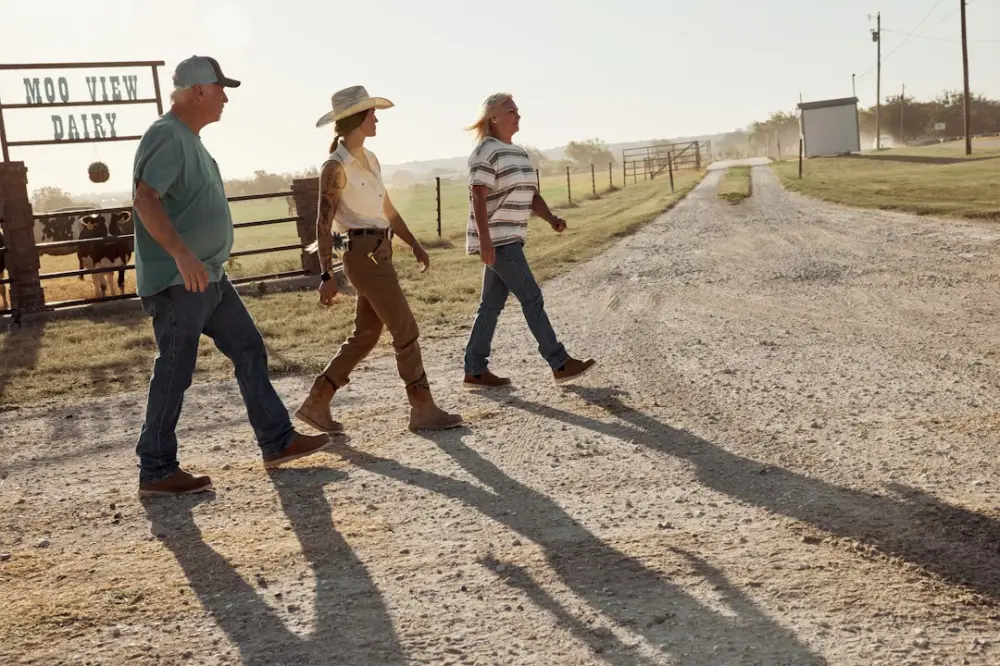
Coordination across food-system participants is the collaborative process where farmers, distributors, and policymakers align their operations to improve efficiency. By synchronizing efforts in areas like crop planning and logistics, stakeholders reduce waste and enhance food security. This integrated approach ensures the food system remains resilient, sustainable, and capable of meeting community needs in 2026 and beyond.
Moving beyond isolated decision-making requires a shift toward shared data and transparent communication. When a producer understands the specific volume requirements of a regional distributor three months in advance, the entire chain stabilizes. This practical alignment minimizes the surplus that often rots in fields while simultaneously addressing the shortages that drive up retail prices for consumers.
Defining Food System Coordination
Coordination is not merely cooperation; it is the structural alignment of disparate economic actors. In a standard supply chain, a farmer, a processor, a cold-storage provider, and a retailer might operate as independent silos. Coordination integrates these silos. For example, a regional grain cooperative might use shared software to track harvest moisture levels, allowing the processor to calibrate machinery before the trucks even arrive. This reduces downtime and energy consumption.
We categorize these interactions into horizontal and vertical coordination. Horizontal coordination occurs between similar actors, such as five independent vegetable growers forming a marketing group to fulfill a large institutional contract. Vertical coordination involves the relationship between different stages of the chain, such as a dairy farmer entering into a forward contract with a yogurt manufacturer to guarantee a specific price and volume for the 2026 fiscal year.
Effective coordination relies on three primary pillars: information flow, incentive alignment, and logistical synchronization. Without accurate information, participants make guesses that lead to systemic shocks. In 2026, we see that the most resilient networks are those that treat data as a shared utility rather than a proprietary secret. When information flows freely, the risk is distributed across the system rather than being shouldered by the producer alone.
Mechanisms to Align Stakeholders
Aligning diverse stakeholders requires formal mechanisms that move beyond verbal agreements. One common tool is the Memorandum of Understanding (MOU) between non-profit food hubs and local government procurement offices. These documents outline specific goals for local food sourcing, providing farmers with the confidence to invest in specialized equipment or acreage expansion. Without such mechanisms, the financial risk of scaling up often outweighs the potential benefits for small-to-mid-sized operations.
Digital infrastructure also serves as a critical alignment mechanism. Cloud-based ERP (Enterprise Resource Planning) systems tailored for food systems allow for real-time inventory tracking. Consider a scenario where a sudden frost impacts tomato yields in one county. An integrated system allows distributors to see the shortfall immediately and reroute supply from a neighboring region, preventing a total stock-out at the retail level. This level of responsiveness is a hallmark of a coordinated system.
Policy frameworks also play a role in alignment. Zoning laws that permit on-farm processing or multi-user commercial kitchens allow smaller participants to enter the value-added market. These policy shifts are essential because they remove the physical and legal barriers to coordination. Much like how 5 system design strategies for teen nutritional planning require logistical foresight at the household level, regional food systems require structural support to ensure that the right nutrients reach the right populations at the right time.
Integrated Crop and Logistics Planning
The synchronization of planting schedules with transportation capacity is perhaps the most difficult yet rewarding aspect of coordination. Integrated crop planning involves analyzing historical demand data to determine what should be planted, when it should be harvested, and which vehicles are available to move it. In 2026, precision agriculture tools are frequently linked to logistics platforms to optimize this transition.
For instance, a cluster of berry farmers might coordinate their harvest windows to ensure that a single refrigerated truck can make a full-load pickup across three farms. This reduces the carbon footprint of the transport and lowers the cost-per-unit for each farmer. Logistics planning also extends to the "last mile," where delivery routes are optimized using AI to avoid traffic congestion and reduce idle time for delivery vans. This is particularly vital for perishable goods where every hour in transit reduces shelf life.
Furthermore, integrated planning helps mitigate the "bullwhip effect," where small fluctuations in consumer demand cause massive overreactions in production. By maintaining a steady line of communication between the retailer and the grower, the system can absorb minor changes without triggering drastic, wasteful shifts in planting. Managing these complex supply networks mirrors biological systems; for instance, we should treat blood sugar management as a system design problem where consistency and feedback loops are more effective than reactive interventions.
Global Frameworks for Local Systems
While food systems are inherently local, they are increasingly influenced by global frameworks that standardize safety, sustainability, and data exchange. The adoption of GS1 standards for barcode tracking, for example, allows a crate of apples grown on a family farm to be traced through international shipping lanes or local school cafeterias with equal precision. These frameworks provide a common language for participants who may never meet face-to-face.
Circular economy principles are another framework gaining traction in 2026. This involves designing food systems where waste from one process becomes an input for another. A coordinated system might link a brewery with a local livestock operation, where the spent grain from beer production is diverted to animal feed rather than a landfill. This requires not just physical proximity, but a coordinated schedule and a shared understanding of nutritional value and safety standards.
International organizations like the FAO (Food and Agriculture Organization) provide guidelines on resilient supply chain management that local councils can adapt. These guidelines often emphasize the importance of diversifying supply sources. A coordinated local system does not mean an isolated one; rather, it means building a robust internal network that can interface effectively with broader markets when local production is insufficient due to seasonal changes or extreme weather events.
Resources for Food System Partners
Building a coordinated system is an ongoing process that requires dedicated resources and a commitment to long-term networking. For participants just beginning this journey, the first step is often joining a regional food policy council or a producer cooperative. These organizations serve as the "connective tissue" of the food system, providing the space for stakeholders to identify shared pain points and develop collective solutions.
Practical resources available to partners in 2026 include:
- Shared Logistics Platforms: Tools that allow small producers to aggregate their products for wholesale distribution.
- Technical Assistance Programs: Grants and workshops that help farmers transition to more resilient, climate-smart practices.
- Procurement Databases: Real-time listings of institutional needs (schools, hospitals, prisons) that local producers can bid on.
- Standardized Contract Templates: Legal frameworks that protect both buyers and sellers in forward-contracting arrangements.
The success of these initiatives depends on active participation. When farmers, distributors, and policymakers move beyond a transactional mindset and toward a systems-thinking approach, the entire community benefits. Strengthening these bonds is the core mission of the Virginia Food System Council. By fostering coordination and providing the necessary planning frameworks, we ensure that the food supply remains stable and accessible to all residents, turning systemic challenges into opportunities for collective resilience.