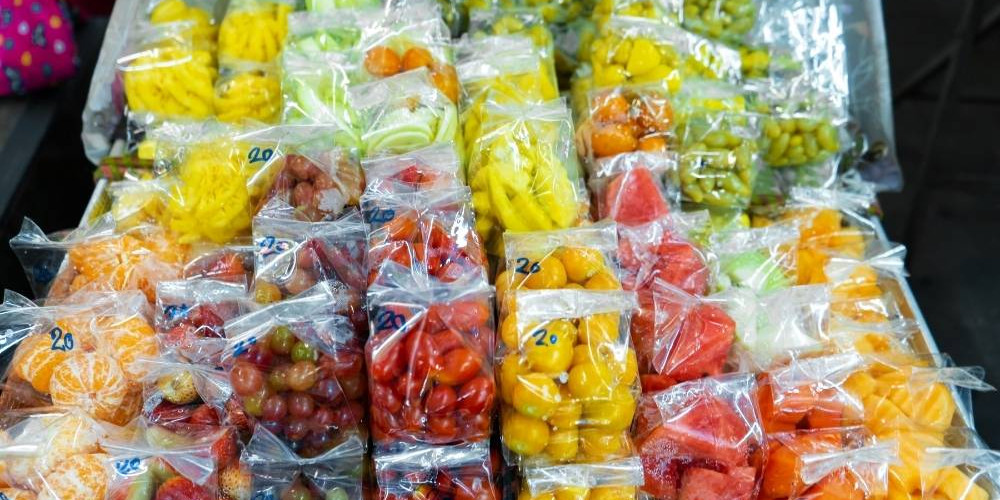

Modern food supply chains are under strain not because they lack effort, but because they lack structure. Complexity has increased faster than planning maturity. The result is a system that functions in stable conditions but fractures under pressure.
Strategic planning is no longer optional. It is the primary risk-reduction mechanism.
Why Food Supply Chains Are More Fragile Than They Appear
On the surface, food systems look efficient. Beneath that efficiency lies fragility.
Primary causes include:
- Globalized sourcing with limited contingency options
- Tight margins that discourage redundancy
- Heavy reliance on just-in-time logistics
- Aging infrastructure and labor shortages
Efficiency without foresight creates exposure.
Challenge 1: Supply Volatility and Climate Disruption
Weather volatility is no longer an exception—it is a baseline condition.
Impacts include:
- Unpredictable yields
- Transportation delays
- Increased spoilage risk
Planning reduces risk by incorporating scenario modeling, diversified sourcing, and buffer strategies aligned with climate realities.
Challenge 2: Overdependence on Centralized Processing
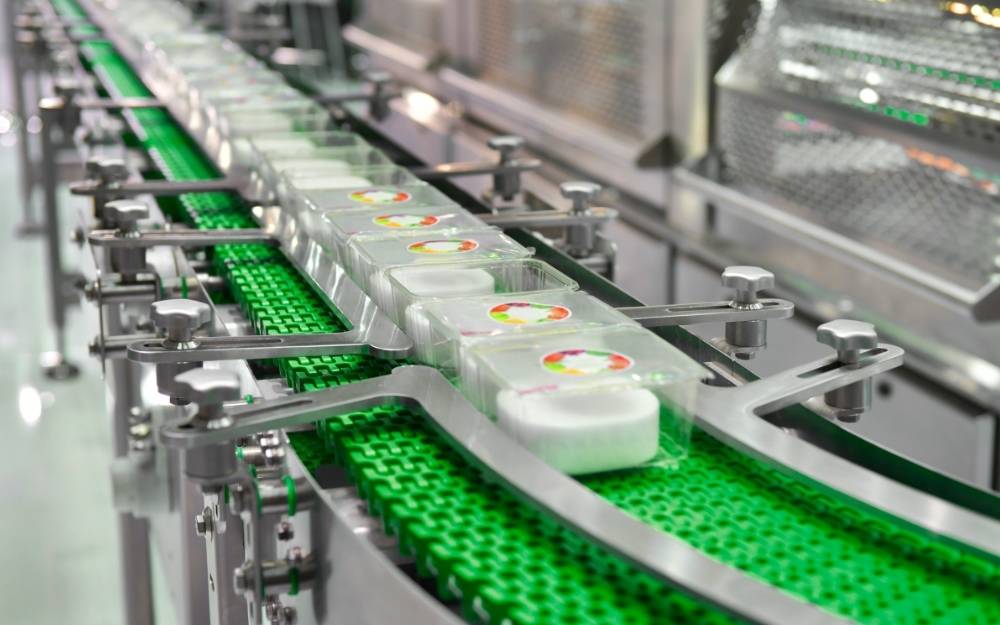
Centralized processing improves cost efficiency but magnifies failure.
When a single node goes offline:
- Entire regions feel the impact
- Recovery time increases
- Alternatives are limited
Planning mitigates this through regional processing capacity, distributed networks, and contingency routing.
Challenge 3: Transportation and Logistics Bottlenecks
Food does not move itself.
Persistent issues include:
- Driver shortages
- Fuel cost volatility
- Congested distribution corridors
Strategic logistics planning anticipates choke points and builds flexibility into routing, timing, and distribution partnerships.
Challenge 4: Limited Visibility Across the Supply Chain
Many disruptions escalate simply because they are detected too late.
Without visibility:
- Inventory mismatches grow
- Demand signals lag
- Waste increases
Planning with data integration enables earlier intervention and faster correction.
Challenge 5: Labor Instability Across the System
From farms to warehouses, labor remains a systemic constraint.
Key risks:
- Workforce shortages
- Skill gaps
- Seasonal dependency
Risk-aware planning accounts for labor variability and reduces reliance on single-point workforce dependencies.
Challenge 6: Policy and Regulatory Misalignment
Food supply chains cross jurisdictions, but policy often remains siloed.
This creates:
- Delays
- Compliance uncertainty
- Operational friction
Strategic planning aligns operations with regulatory realities before disruption occurs—not after.
How Structured Planning Reduces Systemic Risk
Planning does not eliminate disruption. It limits its impact.
Effective food-system planning:
- Identifies vulnerabilities before failure
- Prioritizes resilience over short-term efficiency
- Balances cost control with adaptive capacity
Risk unmanaged becomes crisis. Risk planned becomes manageable.
From Reactive Fixes to Proactive Design
Many food systems rely on reaction rather than preparation.
The shift required:
- From speed to stability
- From optimization to resilience
- From isolated decisions to system-level thinking
Planning is a design discipline, not a paperwork exercise.
Why Long-Term Food Security Depends on Planning
Food availability is not secured by production alone. It is secured by systems capable of withstanding disruption without collapse.
Planning:
- Protects access
- Stabilizes supply
- Preserves public trust
Without it, even abundant systems fail under stress.
Final Thought
Modern food supply chains face challenges that cannot be solved with short-term fixes. Only structured, forward-looking planning reduces risk at scale. The future of food security will be decided not by how efficiently systems operate—but by how well they prepare.