

A Systems Perspective
Understanding Food Systems as Integrated Networks
Modern food systems operate as interconnected networks rather than isolated activities. Production, processing, distribution, and consumption must function in alignment to maintain stability. Planning at the system level helps identify dependencies, anticipate pressure points, and reduce inefficiencies. By viewing food systems holistically, organizations and decision-makers can improve coordination and strengthen outcomes across the entire supply chain.
Preparedness Through Design
Building Resilience Into Food Supply Chains
Resilience is not reactive; it is designed. Supply chain disruptions, resource constraints, and environmental variability require proactive planning. Effective food systems incorporate flexibility, redundancy, and long-term risk awareness. This approach supports continuity and reduces vulnerability when conditions change. Strategic planning helps ensure that food systems remain functional and reliable under both normal and stressed conditions.
“Food supply resilience depends on the ability to anticipate disruption, align stakeholders, and design systems that remain functional under pressure.”
Start a Conversation
Core Planning Principles
Foundations of Effective Food Systems Planning
Successful food system planning relies on clear principles that guide long-term decision-making and coordination. These foundational principles support stability and adaptability across food system operations:
System Coordination
Aligning production, distribution, and infrastructure to reduce fragmentation.
Supply Chain Visibility
Understanding flows and dependencies to support informed planning.
Risk-Aware Design
Anticipating disruptions and integrating safeguards into system structure.
Long-Term Resource Stewardship
Managing land, infrastructure, and inputs with future viability in mind.
From Planning to Practice
Linking Strategy With Operational Reality
Strategic planning must translate into practical execution. Food systems planning connects long-term objectives with day-to-day operations, ensuring that strategy informs action. Clear frameworks help align stakeholders, improve coordination, and support consistent outcomes. When planning and operations are integrated, systems function more efficiently and with greater reliability.

Infrastructure Matters
Supporting Durable and Efficient Food Networks
Infrastructure plays a critical role in food system performance. Transportation, storage, processing capacity, and land use planning all influence resilience. Strategic infrastructure planning ensures that systems can adapt to demand shifts and external pressures. By focusing on durability and efficiency, food systems are better positioned to support consistent supply over time.
Looking Ahead
Advancing Long-Term Food System Stability
Sustainable food systems depend on long-term thinking rather than short-term solutions. Planning for resilience supports stability, efficiency, and continuity across generations. By emphasizing structure, coordination, and foresight, food systems can remain robust in the face of evolving challenges. This approach prioritizes durability and strategic clarity as essential components of future-ready food networks.

The Role of Data and Forecasting in Strengthening Food Supply Chains
Food supply chains do not fail suddenly. They fail gradually—through missed signals,…

Key Challenges in Modern Food Supply Chains—and How Planning Reduces Risk
Modern food supply chains are under strain not because they lack effort, but because…
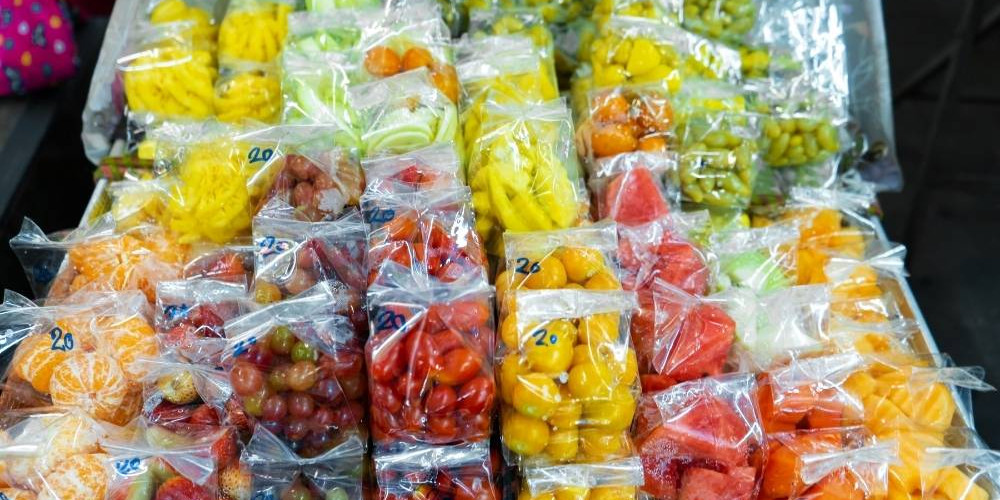
How Supply Chain Resilience Protects Long-Term Food Availability
Food systems do not fail all at once. They weaken gradually—through fragile…
Food Systems Strategy
A Structured Approach to Food Supply Resilience
Complex food systems require clarity, coordination, and long-term planning. Explore how strategic frameworks improve system performance and reduce vulnerability.
 © 2026 Virginia Food System Council. All rights reserved.